Unified Credit Networks Connect Live Dealer Tables to Slot Reel Systems for Expanded Reward Scaling
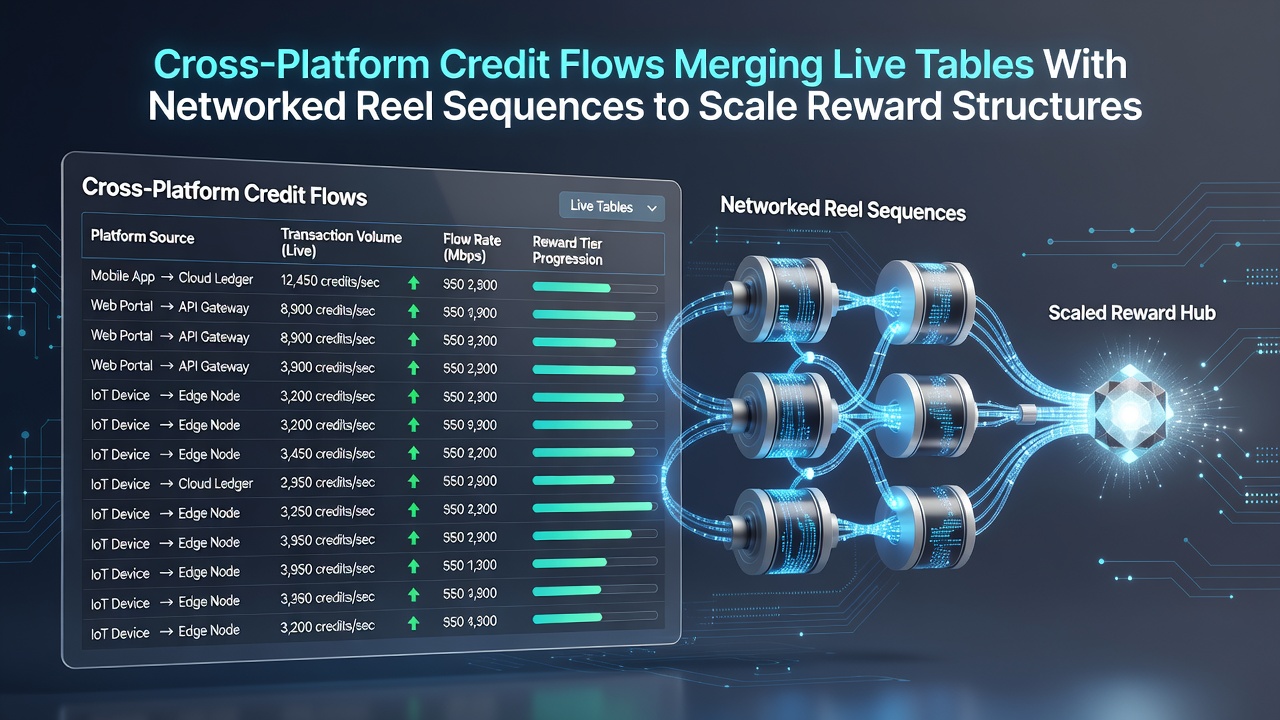
Integrated payment architectures now route player credits across live dealer environments and digital reel platforms through synchronized data channels, allowing reward structures to expand based on combined activity metrics. Operators have implemented these systems to track wagers, bonuses, and payouts in unified ledgers that update in real time regardless of whether participants switch between table games and slot sequences.
Research from university gaming laboratories indicates that such merging reduces latency in credit transfers while maintaining separate regulatory compliance layers for each vertical. Data from platform deployments shows average session lengths increase when credits flow without manual intervention between live tables and networked reels.
Credit Flow Mechanisms Across Platforms
Cross-platform credit systems operate through centralized ledgers that authenticate user balances via encrypted APIs connecting live casino servers to slot network hubs. When a player places a wager at a live table, the system records the transaction and simultaneously updates eligibility flags for reel-based rewards in connected slot environments. Observers note that this setup permits progressive reward pools to draw from both table turnover and reel spin volumes without requiring separate jackpot engines for each category.
Technical documentation from industry standards groups describes how reconciliation protocols handle multi-currency and multi-jurisdiction requirements, ensuring credits maintain parity across time zones and regulatory boundaries. One documented implementation synchronized credit states every 200 milliseconds, which reduced disputes over bonus eligibility by measurable margins in operational audits.
Networked Reel Sequences and Live Table Integration
Reel sequences in modern slot networks now receive input signals from live table outcomes through middleware layers that translate dealer actions into reel modifier triggers. For instance, a high-value live table win can activate additional reel positions or multiplier states in linked slot games for the same account holder. This linkage relies on persistent session tokens that carry reward multipliers forward when users transition between platforms.
Studies conducted by gaming technology research centers have examined how these connections affect overall hold percentages and player retention figures. Figures reveal that networks employing dual-input reel logic recorded higher average bet sizes during peak hours compared to isolated systems. The process avoids direct game outcome manipulation by treating live table results as external random events that merely influence reel presentation layers.
Scaling Reward Structures Through Merged Data
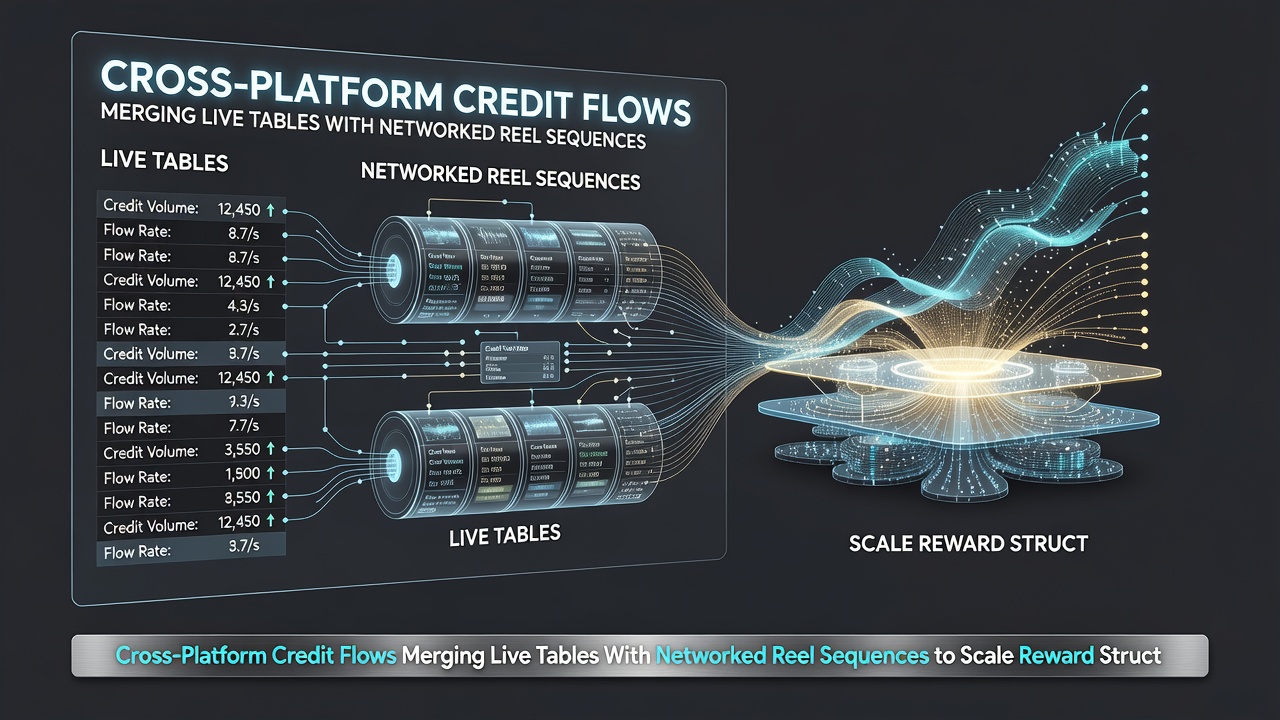
Reward scaling occurs when aggregated credit flow data feeds into tiered loyalty engines that calculate benefits across both live and reel activity. Points earned at live tables contribute to reel unlock thresholds, while reel-based achievements can grant table-side comps or priority seating in live dealer rooms. This bidirectional scaling relies on standardized data schemas that map disparate game events to common reward currencies.
Industry reports from the European Gaming and Betting Association highlight deployments where merged ledgers supported reward pools exceeding single-platform limits by incorporating cross-vertical contribution rates. As of June 2026, several operators reported expanded VIP structures that automatically adjust qualification criteria based on total credit movement rather than isolated game category performance. These adjustments occur through rule-based engines that reference historical flow patterns to predict sustainable reward levels.
Operational Considerations and Data Handling
Security protocols for unified credit systems incorporate multi-factor authentication at each transfer point between live tables and reel networks. Encryption standards align with requirements from multiple regional authorities, including frameworks outlined in reports by the Nevada Gaming Control Board. Transaction logs capture every credit movement with timestamps and originating platform identifiers, enabling forensic analysis when discrepancies arise.
Capacity planning for these systems accounts for simultaneous peaks in live table traffic and reel spin volumes, particularly during promotional windows. Load balancing across distributed servers ensures that reward calculations continue uninterrupted even when individual nodes experience temporary strain. Observers have documented cases where failover mechanisms preserved active reward multipliers during brief connectivity interruptions.
Conclusion
Cross-platform credit flows that merge live table activity with networked reel sequences provide operators with expanded datasets for structuring rewards at scale. The technical integration relies on standardized ledgers, real-time reconciliation, and bidirectional data mapping between game types. Continued development in this area depends on maintaining compliance across jurisdictions while supporting increasing volumes of simultaneous transactions.