Transaction Velocity Driving Prize Pool Growth and Recognition Structures in Multi-Format Gaming Platforms
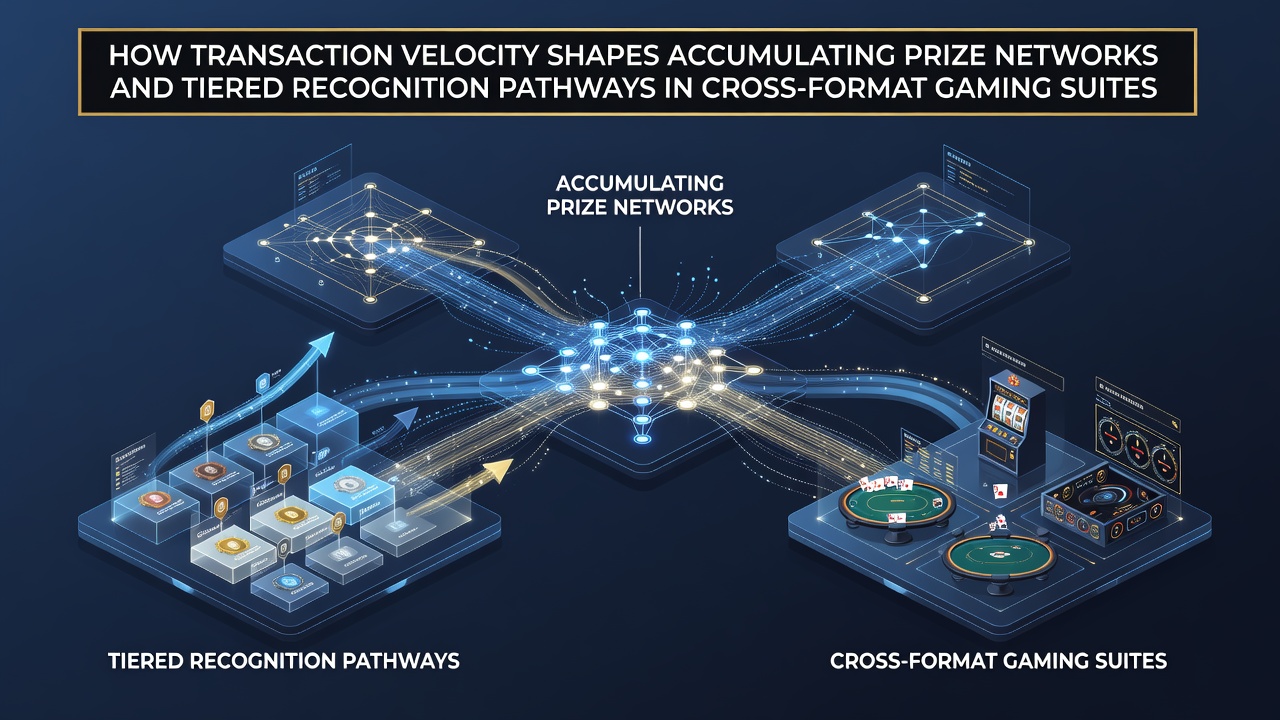
Transaction velocity refers to the rate at which players complete deposits, bets and withdrawals within gaming systems, and this metric directly influences how prize networks accumulate funds while shaping the pathways players follow toward higher recognition tiers. Data from multiple jurisdictions shows that platforms integrating slots, table games and live dealer options experience faster pool growth when transaction speeds increase, because each completed action contributes to linked progressive mechanisms that span different formats. Observers note that higher velocity often leads to quicker threshold achievements in tiered programs, where activity metrics determine access to exclusive features and rewards.
Mechanics of Velocity in Prize Network Accumulation
Accumulating prize networks operate by pooling contributions from wagers across connected games, and transaction velocity accelerates this process through repeated small actions that compound over short periods. In cross-format suites, a single deposit can trigger bets in mobile slots that feed into desktop progressive jackpots or live casino side pots, creating interconnected growth cycles. Studies from research institutions indicate that systems with sub-second processing times see measurable uplifts in total pool values within hours, as players maintain momentum without interruption from delays. This pattern holds across regions where regulators track such metrics, including reports issued by the Alcohol and Gaming Commission of Ontario that examine similar dynamics in multi-platform environments.
Tiered Recognition Pathways and Activity Metrics
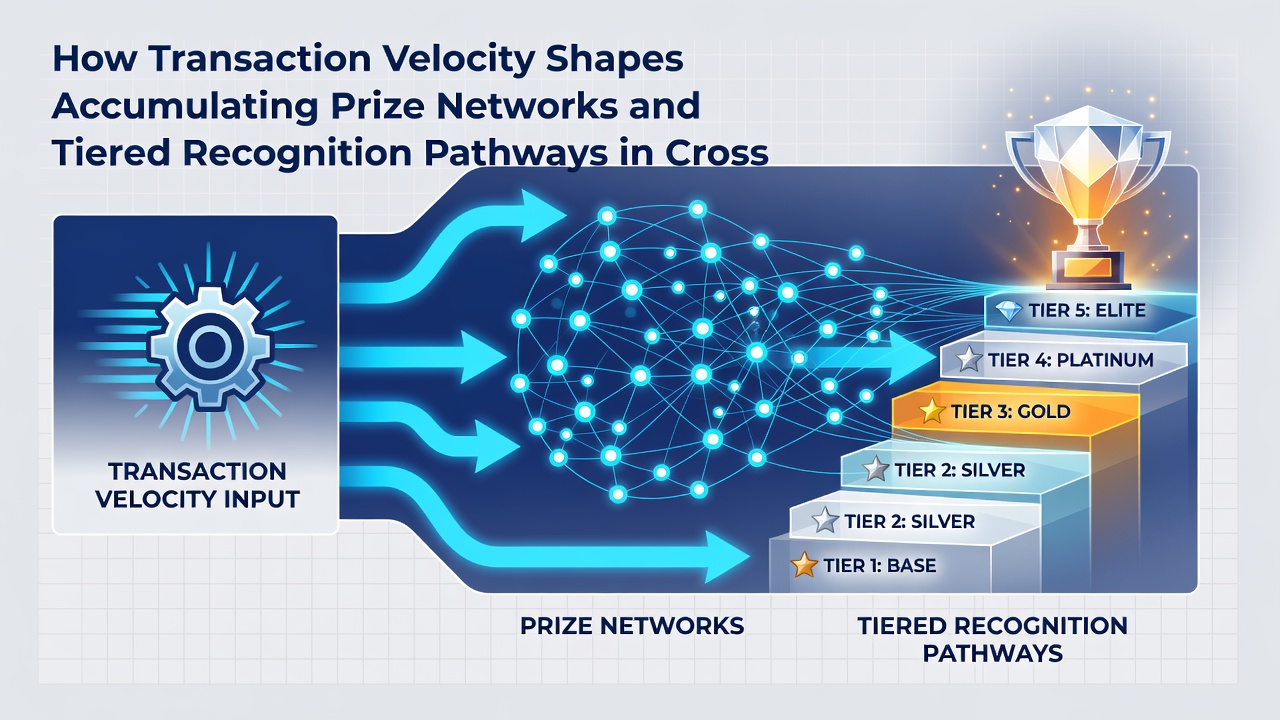
Tiered recognition systems assign levels based on cumulative spend, frequency and velocity indicators, allowing players to unlock benefits such as enhanced bonus structures or priority access to new titles. When transaction speeds rise, the time required to advance between tiers shortens because each action registers promptly in tracking databases, updating status in real time. Researchers have documented cases where platforms using instant confirmation gateways report 20 to 30 percent faster tier progression compared with slower systems, according to aggregated industry data compiled by the American Gaming Association. Those who monitor these suites observe that velocity also affects how recognition pathways intersect with prize networks, since higher activity directly feeds both personal advancement and collective prize growth.
Cross-format integration adds another layer, because velocity must remain consistent whether a player switches from reel-based games to card tables or virtual sports. Platforms that maintain uniform processing across devices prevent drop-offs in contribution rates, sustaining both prize accumulation and tier momentum. In June 2026 several operators introduced unified ledgers that synchronize activity logs instantly, resulting in smoother transitions and fewer interruptions to the velocity-driven cycles described in operational reviews.
Regulatory and Technical Factors Influencing Outcomes
Regulatory frameworks in various regions set parameters around transaction handling that indirectly shape velocity effects on prize networks and recognition structures. For instance, the Malta Gaming Authority has published guidelines on payment processing standards that encourage rapid yet secure confirmations, which in turn support the steady flow needed for accumulating mechanisms to function effectively. Technical implementations such as API integrations between banking partners and gaming servers further determine how quickly funds move, with documented improvements in pool sizes when latency drops below industry benchmarks. Data indicates that suites adopting these standards see consistent contributions across formats, reducing variance in how tiers advance for participants who engage with multiple game types.
One documented example involves networked progressive systems where transaction velocity correlates with the frequency of threshold breaches that trigger larger payouts or bonus rounds. Observers tracking these environments note that players who maintain higher activity rates within short windows reach recognition milestones sooner, gaining access to features that further amplify their contributions to the networks. This feedback loop appears across multiple operator reports and academic analyses of gaming economics, confirming the structural role velocity plays without relying on individual performance variations.
Conclusion
Transaction velocity shapes both accumulating prize networks and tiered recognition pathways by determining the speed and consistency of contributions within cross-format gaming suites. Evidence from regulatory bodies and industry analyses demonstrates measurable impacts on pool growth rates and progression timelines when processing speeds improve. As platforms continue to refine these systems, the connections between transaction metrics, prize accumulation and recognition structures remain central to operational design across diverse gaming environments.