Payment Pathways Transform Reward Progression in Networked Mobile Jackpot Environments
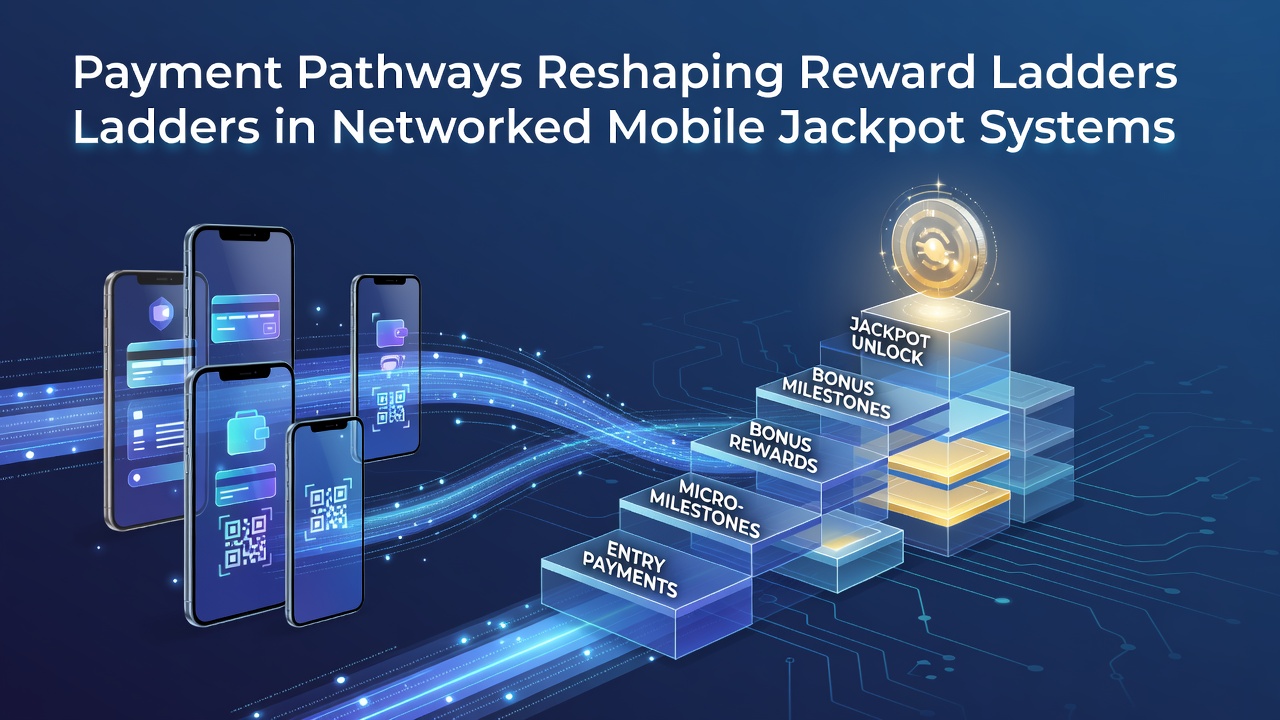 Networked mobile jackpot systems rely on payment pathways that connect deposits and withdrawals directly to player progression mechanics. These pathways determine how quickly participants advance through reward ladders where tiers unlock additional benefits tied to progressive prize pools shared across devices and platforms. Data from multiple jurisdictions shows that real-time transaction processing now feeds into tier calculations rather than relying on periodic batch updates that once delayed access to higher reward levels. Operators integrate instant deposit gateways with backend systems that track cumulative spend and win rates simultaneously. This integration allows reward ladders to recalculate eligibility within seconds of a completed transaction instead of waiting for daily or weekly reconciliation cycles. Researchers at the International Gaming Institute have documented cases where payment speed directly correlates with faster tier ascents in multi-jurisdictional progressive networks. Payment authentication layers now incorporate biometric verification alongside traditional methods which reduces friction during high-volume play sessions. When players move between devices the same authenticated session carries forward and maintains continuity in reward tracking. This continuity matters because networked jackpots pool contributions from thousands of concurrent sessions across regions and any interruption in payment flow can pause a player's accumulation toward the next tier.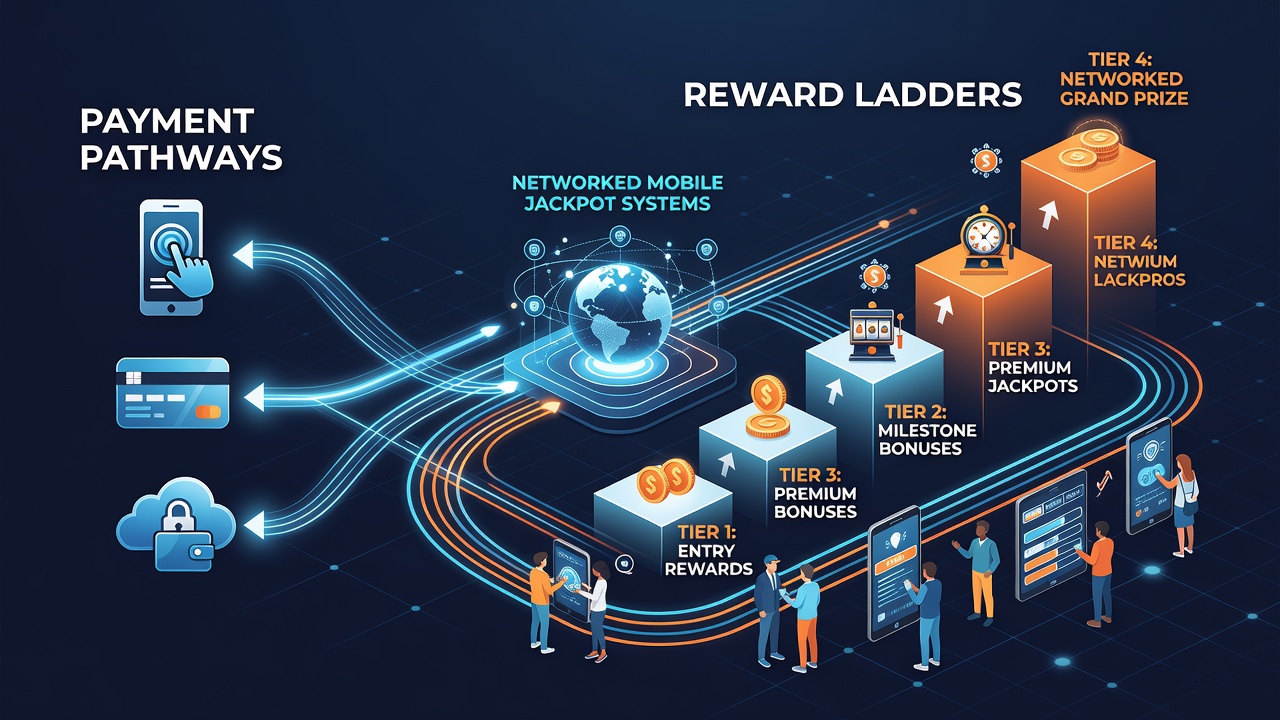
Networked mobile jackpot systems rely on payment pathways that connect deposits and withdrawals directly to player progression mechanics. These pathways determine how quickly participants advance through reward ladders where tiers unlock additional benefits tied to progressive prize pools shared across devices and platforms. Data from multiple jurisdictions shows that real-time transaction processing now feeds into tier calculations rather than relying on periodic batch updates that once delayed access to higher reward levels. Operators integrate instant deposit gateways with backend systems that track cumulative spend and win rates simultaneously. This integration allows reward ladders to recalculate eligibility within seconds of a completed transaction instead of waiting for daily or weekly reconciliation cycles. Researchers at the International Gaming Institute have documented cases where payment speed directly correlates with faster tier ascents in multi-jurisdictional progressive networks. Payment authentication layers now incorporate biometric verification alongside traditional methods which reduces friction during high-volume play sessions. When players move between devices the same authenticated session carries forward and maintains continuity in reward tracking. This continuity matters because networked jackpots pool contributions from thousands of concurrent sessions across regions and any interruption in payment flow can pause a player's accumulation toward the next tier.Transaction Speed and Tier Eligibility Mechanics
Modern gateways process deposits in under three seconds which enables immediate crediting to both the game balance and the separate reward ledger. Observers note that this dual-ledger approach prevents the lag that previously forced players to complete manual claims before advancing. In June 2026 several platforms introduced API endpoints that push transaction metadata directly into the VIP calculation engine without requiring separate reporting steps. Reward ladders typically feature five to seven tiers where each level grants multipliers on progressive contributions or exclusive access to linked bonus rounds. Payment pathways reshape these ladders by allowing partial progress to carry over across sessions when funds move through verified channels. Those who've studied platform logs report fewer abandoned progressions since the introduction of persistent payment tokens that survive device switches or temporary network drops.Cross-Platform Network Effects on Reward Accumulation
Networked systems aggregate contributions from mobile sessions into central prize pools that feed multiple reward ladders at once. When a payment clears on one device the contribution registers across all connected instances which means tier progress updates simultaneously for linked accounts. This simultaneity creates situations where a single deposit can trigger tier advancement visible on both phone and tablet interfaces within the same minute. Industry reports from the Australian Gambling Research Centre indicate that platforms using unified payment rails see higher retention at mid-tier levels compared to those relying on legacy batch systems. The difference stems from players receiving immediate feedback on how their deposit affects both jackpot growth and personal reward status. Such feedback loops encourage continued engagement because the connection between payment action and reward outcome remains visible rather than obscured by processing delays.