Navigating Incentive Flows from Initial Bonuses to Cross-Platform Jackpot Systems via Seamless Transfers and Status Tiers
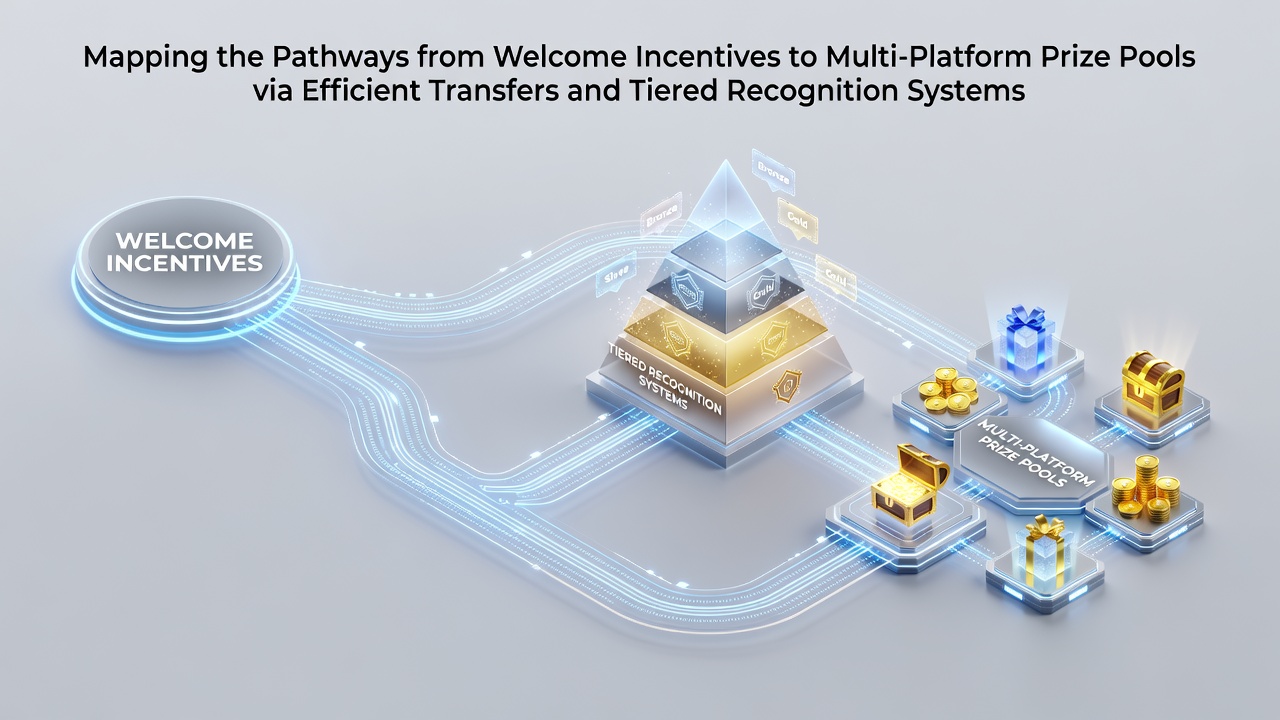
Digital gaming platforms structure player progression through welcome incentives that feed directly into layered systems connecting multiple sites and shared prize structures, and this process relies on efficient transfer mechanisms alongside tiered recognition frameworks that track activity across environments.
Welcome Incentives as Entry Points
Operators deploy welcome incentives in forms such as deposit matches, free spin allocations, and initial credit packages that establish baseline player engagement, while data from the American Gaming Association shows these offers account for a measurable share of first-time deposits across regulated markets. Players activate these incentives through standard registration sequences, after which the systems record participation metrics that determine eligibility for subsequent stages. Research indicates that incentive structures often incorporate wagering requirements calibrated to encourage continued play without immediate withdrawal options.
Efficient Transfers Across Platforms
Transfers between platforms operate through integrated payment gateways and account synchronization protocols that move both funds adn bonus-derived credits in real time, and these mechanisms reduce friction by linking player profiles across affiliated networks. Observers note that operators implement API-driven connections allowing balances to shift between desktop, mobile, and live environments while preserving promotional value. In June 2026 several major providers expanded these transfer capabilities to include cross-brand loyalty points, enabling participants to consolidate activity from separate applications into unified ledgers.
Tiered Recognition Systems and Advancement
Tiered recognition frameworks assign levels based on cumulative deposits, play volume, and retention milestones, with each tier unlocking enhanced transfer speeds and access to larger prize pools. Systems calculate status through algorithms that weigh recent activity more heavily than older data, creating dynamic progression paths. Those who study player behavior patterns report that tier advancement correlates with increased cross-platform engagement because higher levels grant privileges such as reduced fees on transfers and priority entry into networked competitions.
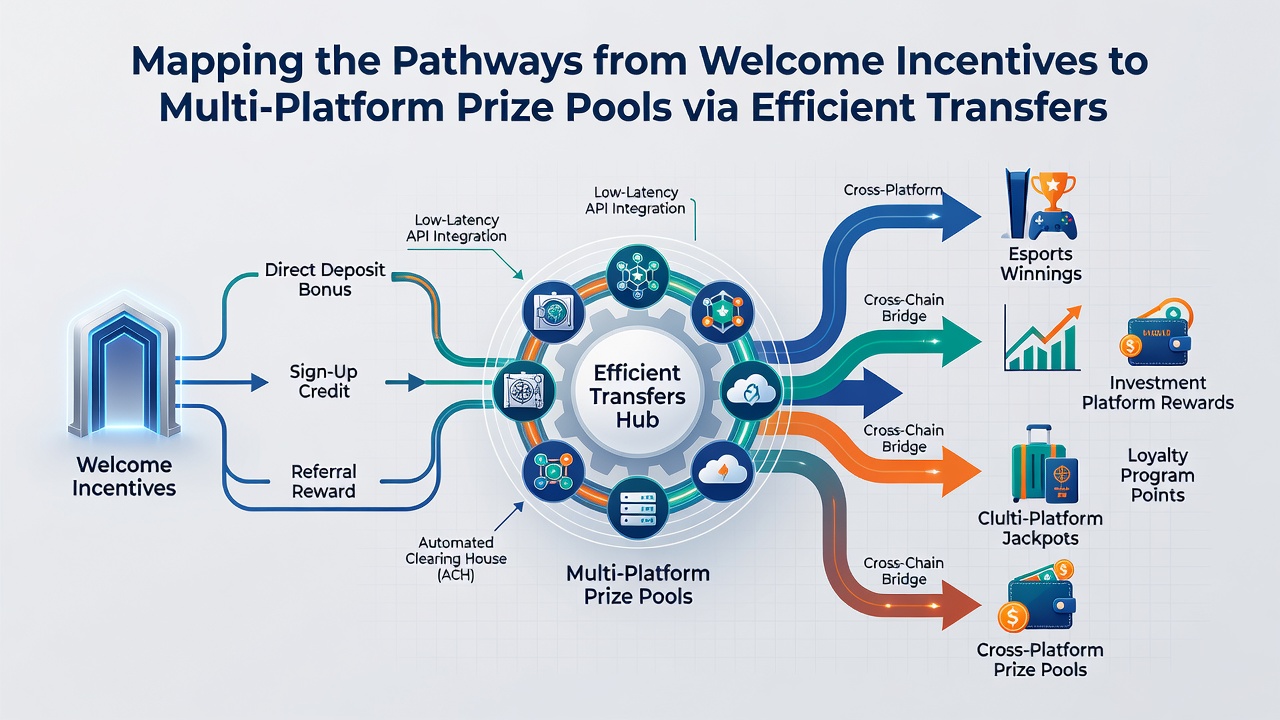
Recognition tiers frequently incorporate visual badges and dashboard displays that communicate current standing to users, and this feedback loop sustains motivation while directing activity toward qualifying actions. European studies on digital entertainment economies document how tier systems integrate with regulatory compliance tools to verify player eligibility before releasing pooled rewards.
Multi-Platform Prize Pools Formation
Multi-platform prize pools aggregate contributions from various sites and game categories into communal funds that distribute according to predetermined rules, and efficient transfers ensure that incentive-derived credits reach these pools without delay. Data indicates that networked jackpots grow faster when transfer systems operate across multiple operators rather than within single-brand ecosystems. Industry reports from the Canadian Gaming Association highlight how pooled structures now include contributions tracked through tiered recognition points, allowing players at different levels to participate proportionally.
Operators coordinate pool funding through revenue-sharing agreements that allocate percentages from each platform's activity, creating sustainable growth for the overall prize amounts. What's interesting is that these arrangements require precise auditing trails maintained via blockchain or centralized ledgers to satisfy oversight requirements from multiple jurisdictions.
Integration Trends Observed in 2026
By June 2026 several networks had introduced unified dashboards that display both transfer histories and tier progress alongside current pool sizes, and this consolidation simplifies oversight for participants moving between environments. Academic research from the University of Nevada, Las Vegas International Gaming Institute examines how such integrations affect retention rates across different regulatory frameworks. The systems continue to evolve with added features such as instant status updates triggered by qualifying transfers.
Conclusion
The pathways from welcome incentives to multi-platform prize pools depend on coordinated transfers and tiered recognition that together create measurable progression routes for participants, and ongoing developments in June 2026 reflect continued refinement of these connections across global markets. Data shows these structures maintain operational integrity through standardized tracking and compliance mechanisms that support both player movement and prize distribution at scale.