Bridging Live and Mobile: Game Developers Advance Progressive Jackpot Integration Through Casino Streams
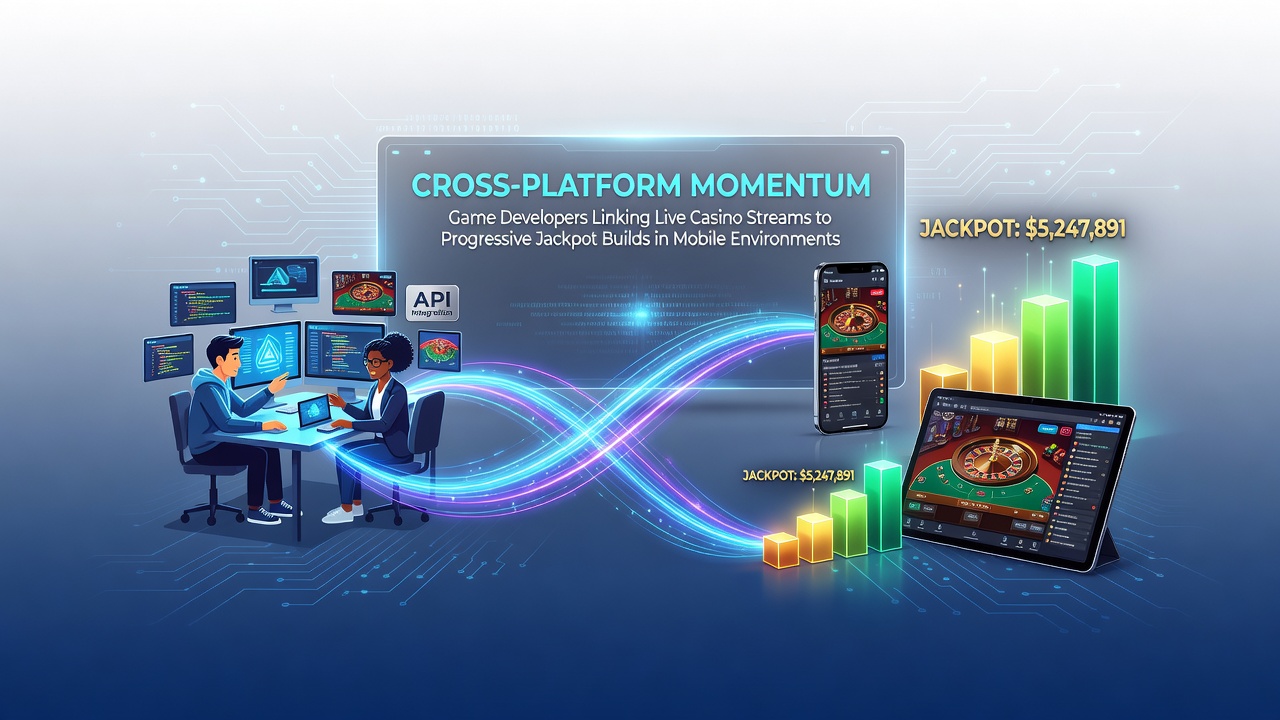
Game developers continue to connect live casino streams directly with progressive jackpot systems in mobile environments, creating unified platforms where real-time dealer interactions influence jackpot accumulation across devices. This integration allows players to participate in live table games while contributing to shared progressive pools that build through mobile spins and bets, with data synchronization happening instantaneously between platforms.
Industry reports from July 2026 highlight several major providers implementing these connections in markets across North America and Asia, where mobile traffic accounts for over 70 percent of session activity according to figures released by the American Gaming Association. Developers achieve this by embedding live video feeds into slot interfaces, enabling players to switch between streamed blackjack tables and progressive reel games without losing jackpot contributions or session data.
Technical Foundations of Stream-to-Jackpot Linkages
API frameworks form the backbone of these systems, allowing live casino operators to transmit bet data and outcome streams into mobile progressive engines while maintaining regulatory compliance across jurisdictions. When a player places a wager on a live roulette table via mobile, portions of that stake feed into a centralized jackpot meter that updates in real time for all connected users, whether they engage through desktop streams or handheld devices. This setup relies on low-latency protocols that synchronize visual feeds with backend accounting, ensuring no discrepancies arise in prize pool calculations during peak hours.
Research from the European Gaming adn Betting Association shows these linkages have expanded in the first half of 2026, with over 150 new titles incorporating live elements into progressive mobile structures. The process involves embedding WebRTC technology for video delivery alongside secure token systems that track each contribution to the jackpot without exposing sensitive player information.
Player Engagement Patterns Across Platforms
Observers note that players often maintain longer sessions when live streams appear alongside mobile progressive builds, as the visual presence of dealers and other participants adds context to jackpot growth. In one documented case from a major Asian operator, mobile users who engaged with linked live feeds increased their average bet frequency by 35 percent compared to those using standalone progressive slots. These patterns emerge because the streams provide immediate feedback on shared outcomes, while mobile interfaces allow quick adjustments to stake levels that directly affect jackpot momentum.
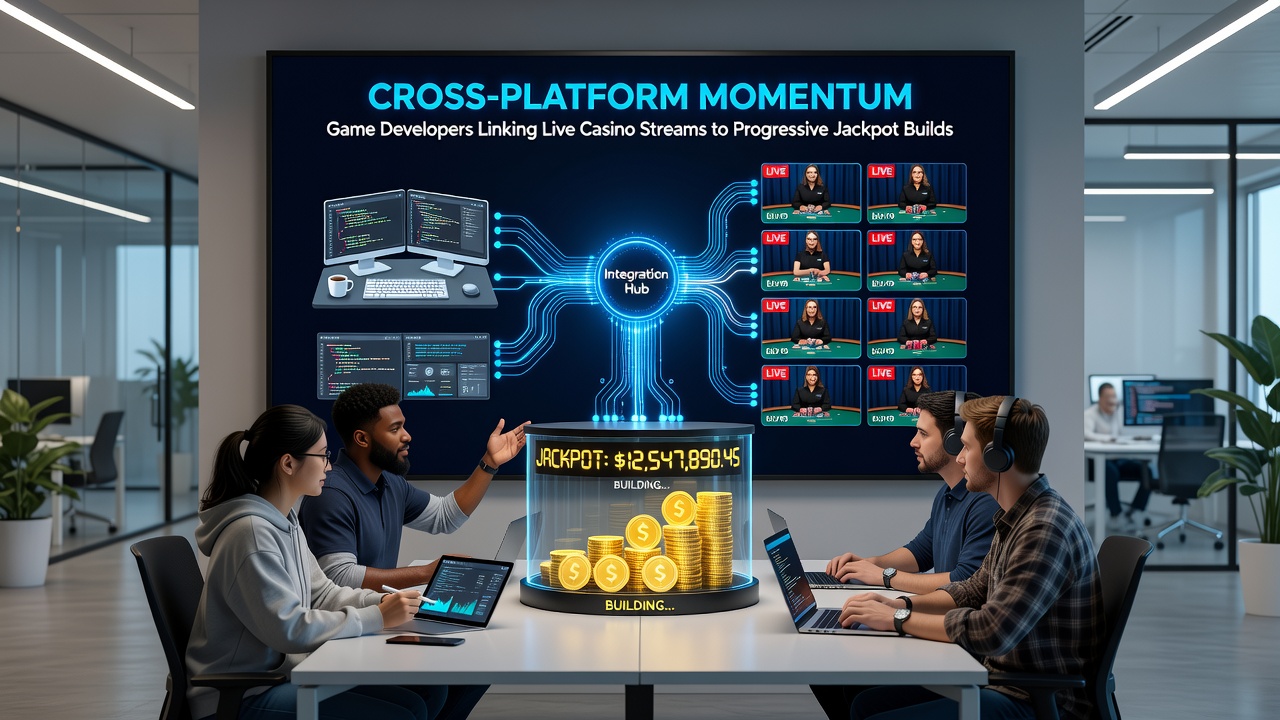
Data from Canadian regulatory filings indicates similar trends in provincial markets, where cross-platform tools have reduced player drop-off rates during jackpot chases. Developers design these environments so that a live stream event, such as a dealer shuffle or card reveal, can trigger visual notifications on the mobile side, prompting users to increase contributions to the progressive pool before the next cycle completes.
Regulatory and Security Considerations in Cross-Platform Setups
Security protocols play a central role in maintaining trust within these integrated systems, with encryption standards applied to both video streams and financial transactions that update jackpot values. Gaming authorities in multiple regions require independent audits of the linkage mechanisms to verify that mobile contributions accurately reflect in live environments and vice versa. In July 2026, several providers completed certification processes that confirmed seamless data flow between live dealer platforms and mobile progressive meters, addressing concerns about latency and fairness in shared prize pools.
Those who study these systems point out that geographic variations in rules influence implementation details, with some markets mandating separate jackpot ledgers for live versus mobile segments even when visual integration occurs. This approach preserves transparency while still allowing the streams to enhance player awareness of overall momentum in the progressive builds.
Future Developments in Stream and Mobile Integration
Developers continue testing enhanced features such as augmented overlays on mobile screens that display live table statistics alongside jackpot meters, creating a more immersive connection between the two formats. These advancements build on existing infrastructure and focus on reducing bandwidth requirements so that users in regions with variable network conditions can still participate without interruption to their contributions or stream quality.
Academic studies from institutions tracking digital gaming trends suggest that continued refinement of these linkages will expand the range of games that can share progressive elements, moving beyond traditional slots and tables into hybrid formats that blend live interaction with automated mobile mechanics. The emphasis remains on maintaining consistent rules and payout structures regardless of the access point chosen by players.
Conclusion
The connections between live casino streams and mobile progressive jackpots represent an ongoing evolution in game architecture, driven by technical capabilities that support real-time data sharing across devices. As providers refine these systems through 2026 and beyond, the focus stays on secure, compliant implementations that deliver unified experiences while respecting regional regulatory frameworks. This integration continues to shape how progressive builds accumulate and how players engage with them across different environments.